

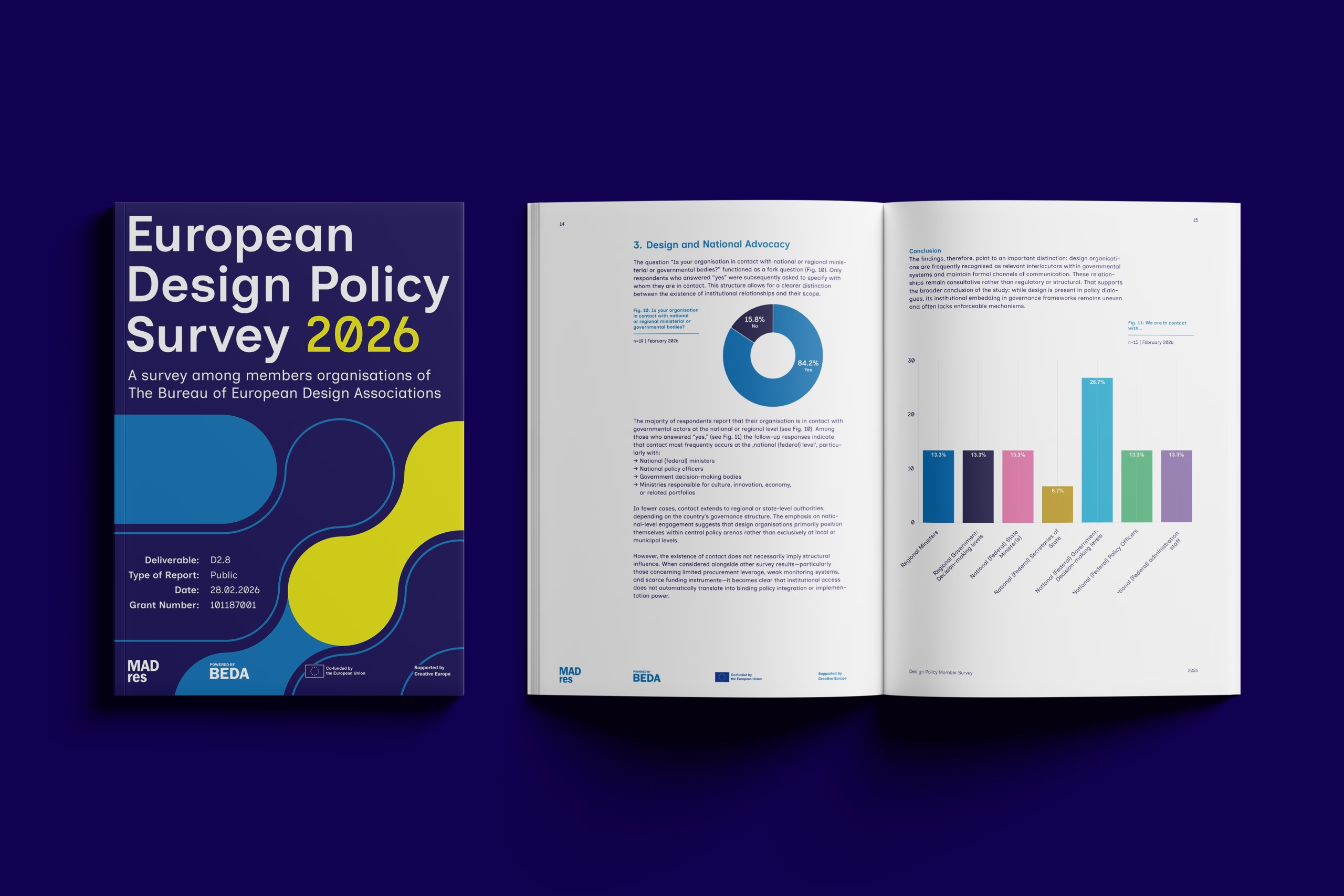
A Landscape of Recognition Without Implementation
Across Europe, dedicated national design policies have become the exception. Instead, design increasingly appears within broader policy frameworks—ranging from innovation and culture to digitalisation, sustainability, and the built environment. This reflects a structural shift: design is no longer treated as a standalone field but as a cross‑cutting contributor to wider strategic agendas.
However, the survey shows that this embedded presence often remains superficial. Mentions of design in policy texts do not automatically lead to operational instruments, coordinated governance, or long‑term implementation structures. This confirms a central diagnosis: Europe faces a pronounced policy‑to‑implementation gap.
Key Insights from the Survey
The responses highlight several recurring themes, such as:
- Recognition without implementation — Design is present in many policy areas, but this presence often remains symbolic.
- Limited impact — Where action occurs, it tends to be selective and project‑based rather than systemic.
For the full set of insights and a detailed analysis, explore the report.